

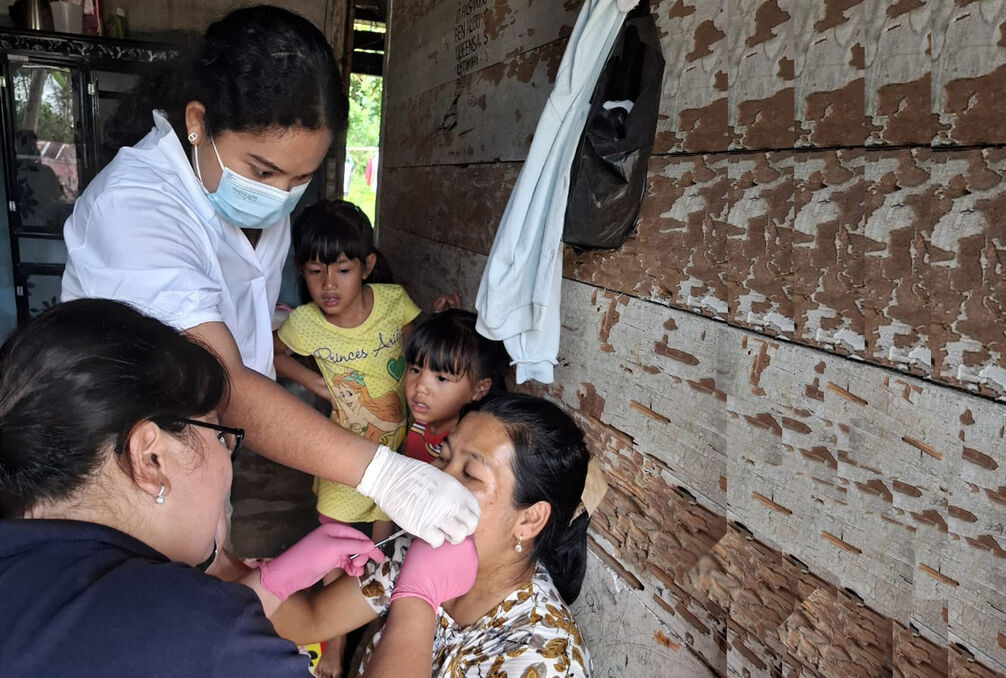
Antenatal Care
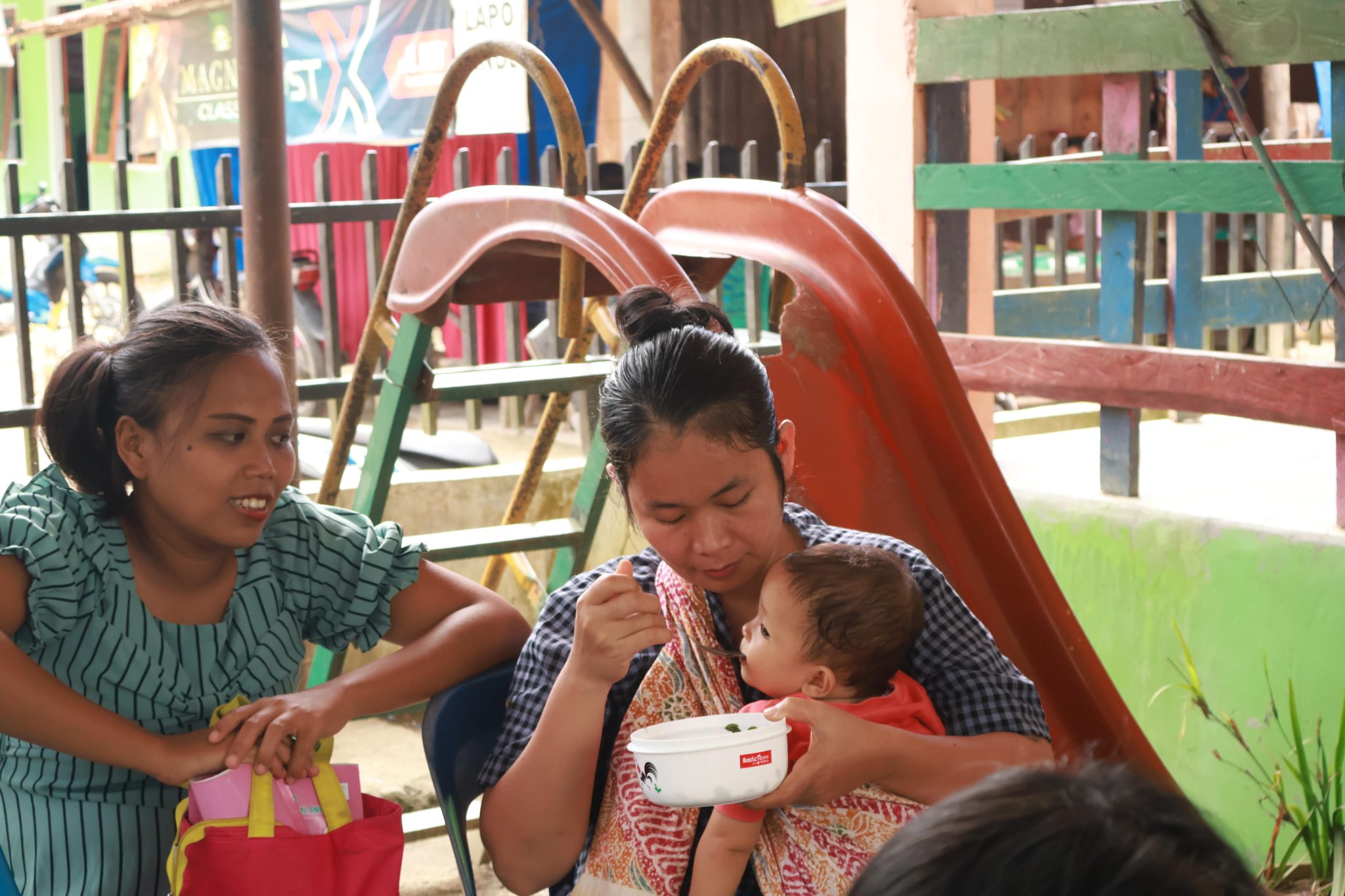
The program improves oral health for pregnant women in Sibalanga, Pagaran Lambung I, and Pagaran Pisang villages to reduce pregnancy and childbirth complications. It starts with training posyandu cadres to support pregnant women in each village. Pregnant women receive education on oral health’s impact on pregnancy, dental check-ups, treatments like scaling, fillings, extractions, varnish application, and daily toothpaste use. They also record their care in a Mom’s Dental Journal. This collaboration between HePI and posyandu cadres aims to lower premature births, low birth weight, preeclampsia, and reduce stunting rates in these communities.
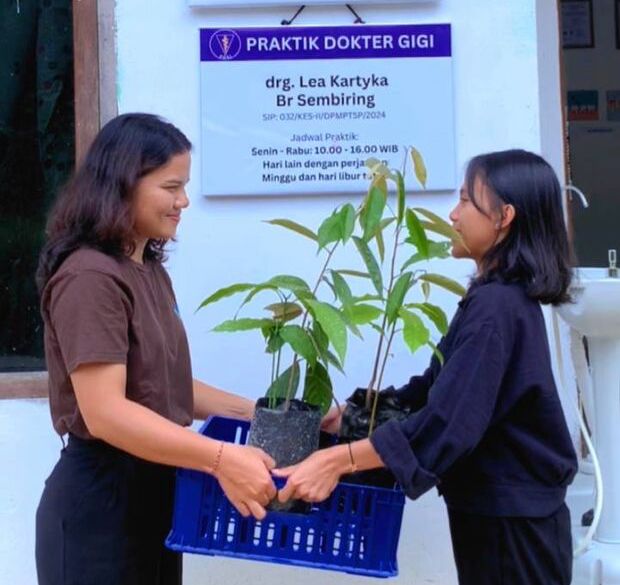
Healthcare Incentive
This program provides dental and oral health services through HePI Dental Care, staffed with a dentist and assistants. The community can access treatments like scaling, tooth extraction, fillings, endodontic care, and denture fabrication. To ease financial burdens, treatment costs are kept affordable. Additionally, the program offers a non-cash payment option where community members can pay with goods or services that support forest conservation. This innovative approach not only improves oral health but also encourages environmental responsibility, making dental care accessible while promoting sustainable community practices.
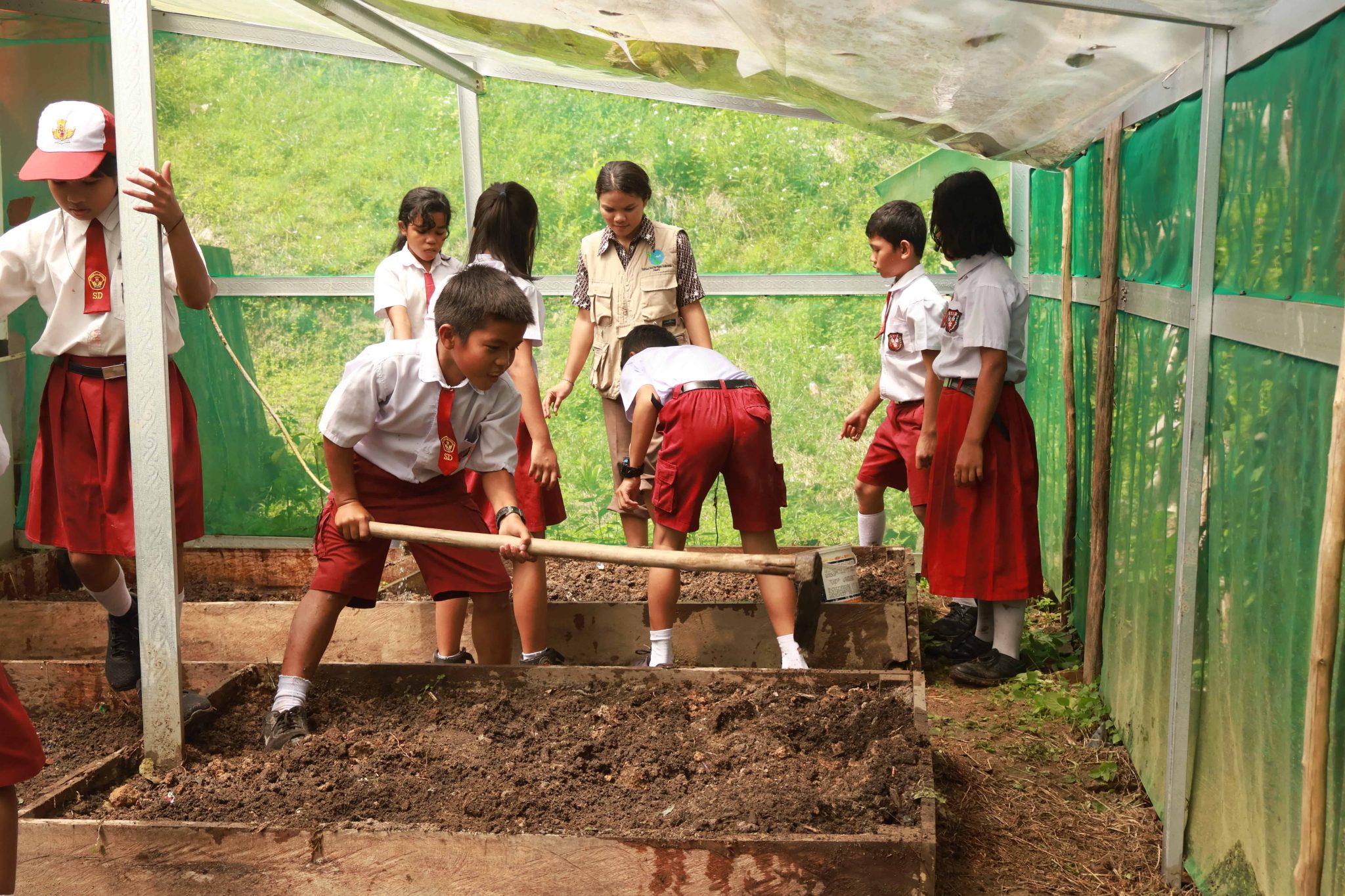
Health and Environmental Education
This program raises awareness about the Batang Toru ecosystem, home to the endemic Orangutan, by educating students and the public about its importance for wildlife and plants. It increases knowledge of the Harangan Tapanuli Forest’s flora and fauna and highlights health risks from consuming wild animals and zoonotic diseases. Using HePI’s literacy materials, including comics like Sijukkot Bukan Sijukkat, Hutan Sehat, Aku Sehat, Kita Sehat, Isi Hati Bumi, and Penyakit Zoonosis, the program targets Early Childhood Education, Elementary, Junior High students, and the general community to promote ecosystem protection and public health awareness.
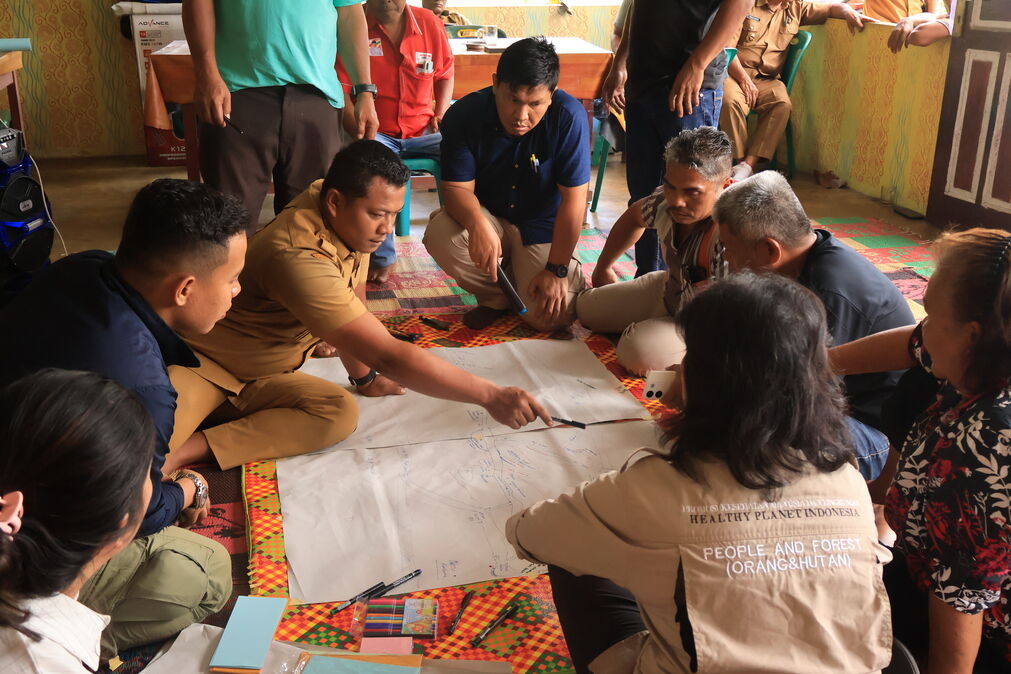
Social Forestry
Social Forestry is an approach to forest management that involves local communities in the management and supervision of forests. The goal of this activity is to improve the welfare of local communities through sustainable forest management. The steps taken in this program are to conduct socialization of social forestry to the village community, hold deliberations to make Village Regulations and submit a list of Village Forest Management Institution (LPHD) management members, collect member data, map the location to be proposed as a Village Forest. This activity aims to provide economic benefits to local communities, improve their welfare, and promote sustainable forest management. By involving local communities in forest management, this activity also aims to reduce deforestation and promote environmental conservation.
Moringa Program
This program aims to improve family nutrition and economy through research and development. HePI, together with PKK members, distributes moringa seedlings to villagers to plant on their land. Some seedlings are also planted in elementary school yards with HePI’s support. The moringa plants are expected to fulfill the community’s nutritional and economic needs. Once grown, the plants will be processed into products like moringa tea and others, providing additional income and health benefits. This sustainable program supports long-term community health and economic growth through local moringa cultivation and product development.
Sustainable Livelihood
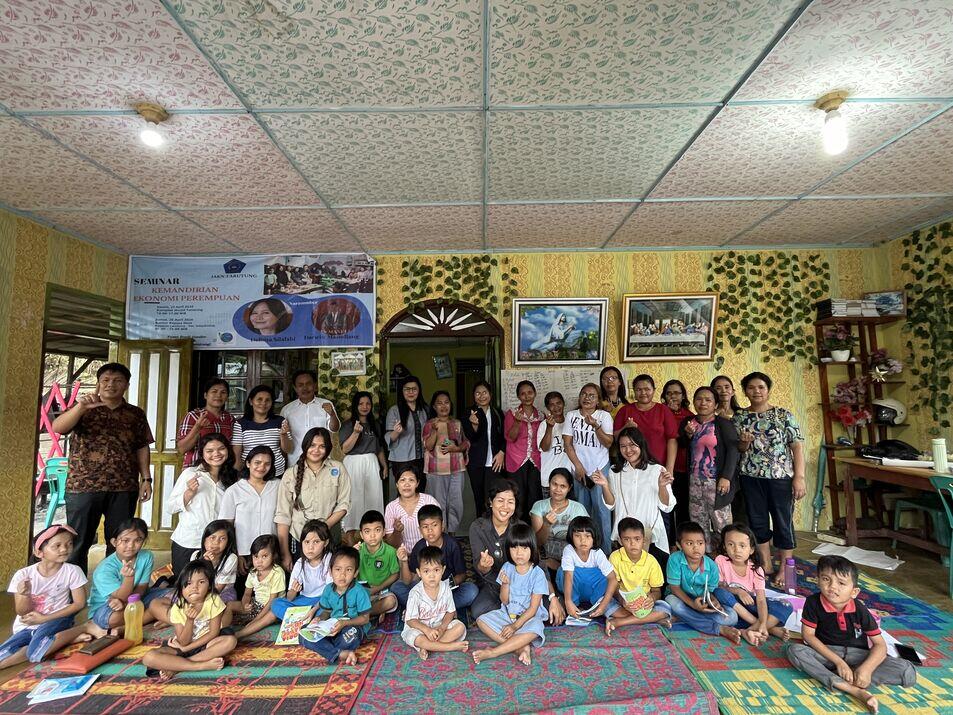
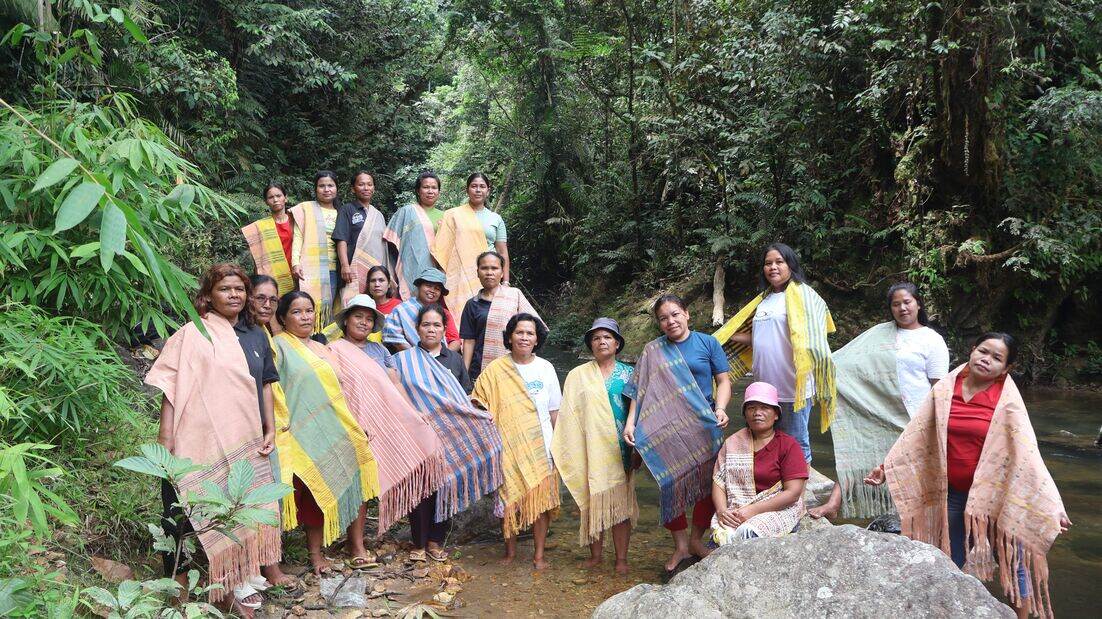
The Sustainable Livelihood program by Healthy Planet Indonesia Foundation supports three villages to improve rural welfare through sustainable resource management. Activities include Women's Economic Independence training, organic fertilizer making, and mentoring Champion Farmers. The women’s training focuses on enhancing skills in managing weaving businesses to boost income and economic independence. HePI assists by forming Credit Union (CU) groups to support financial empowerment. A total of 24 women weavers participate in this program, gaining valuable skills and resources to strengthen their businesses and livelihoods while promoting sustainable practices in their communities.
Weave Program
The empowerment program for weavers promotes the use of natural dyes to create eco-friendly woven crafts that preserve local wisdom and have economic value. It begins with raising awareness about the benefits of natural dyes for health and the environment. Training introduces participants to various natural dye sources from their surroundings and demonstrates how to process them into usable dye liquids. The program also covers marketing strategies, emphasizing the added value of environmentally friendly woven products. Participants learn how these sustainable crafts meet growing demand in local and international markets, enhancing both skills and economic opportunities.

Agroforestry
Organic agroforestry integrates trees, crops, and livestock without chemical fertilizers or pesticides, promoting sustainability and ecosystem balance. HePI supports champion farmers in three villages, offering training on good agricultural practices like quality seeds, soil management, and organic fertilizer use. Six families currently benefit from this program. The training focuses on making effective manure fertilizer, highlighting its environmental and agricultural benefits. This initiative aims to raise community awareness about sustainable farming, enhance skills in producing high-quality manure, boost agricultural productivity, and reduce reliance on chemical fertilizers, supporting food security and farmers’ welfare.
The Cocoa Nursery and Fermentation
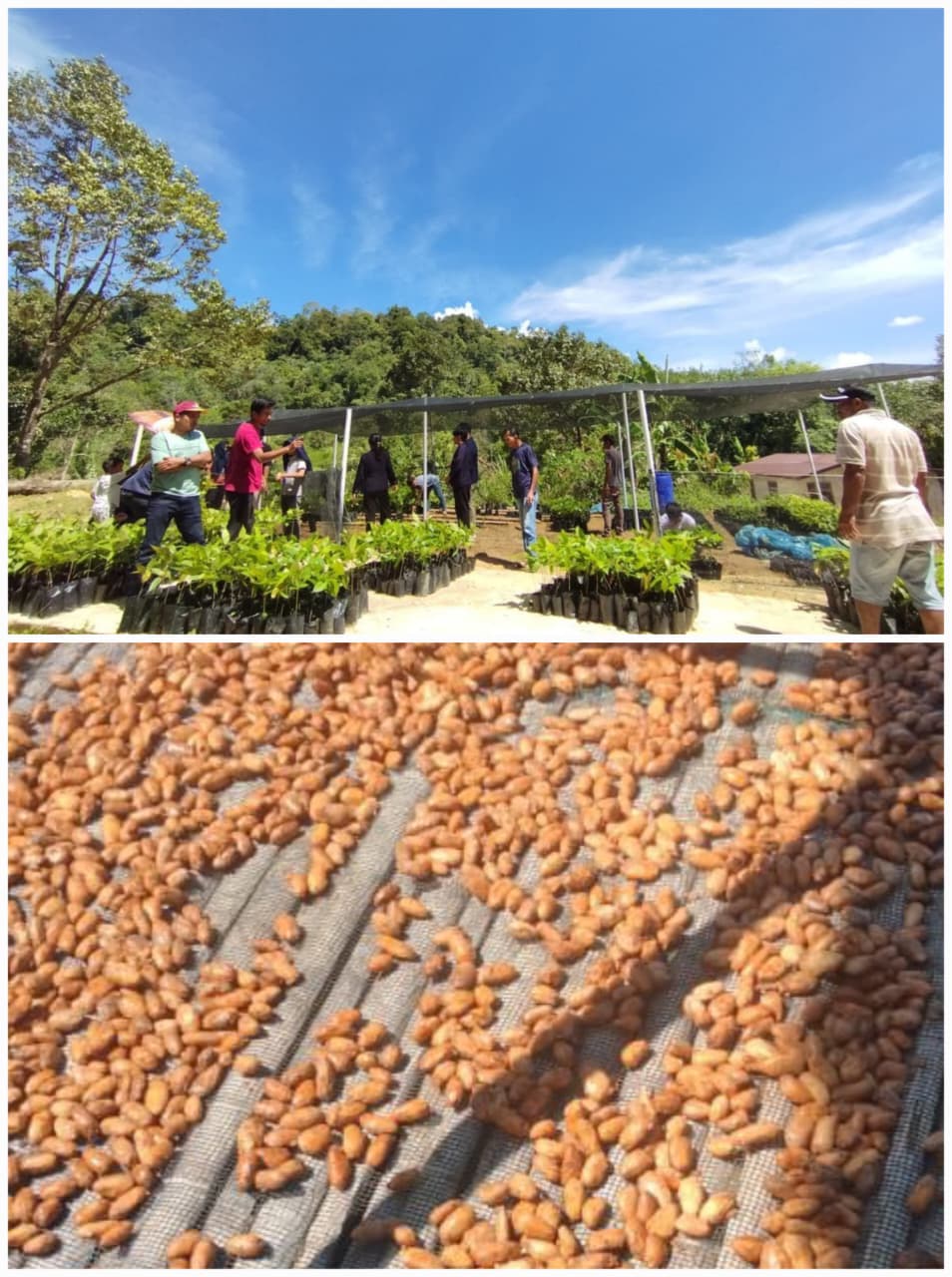
The Cocoa Nursery and Fermentation Program is a strategic initiative aimed at enhancing the quality and marketability of cocoa beans. As a component of the broader Agroforestry program, it comprises two key elements: cocoa fermentation and the cultivation of superior cocoa varieties. This program empowers local communities by involving them in nursery operations and the distribution of high-quality cocoa planting materials. Cocoa fermentation is a critical step in the processing of cocoa beans, as it significantly improves the flavor and aroma profiles. Through this program, cocoa farmers are equipped with the knowledge and skills necessary for optimal fermentation practices, including the selection of raw materials and the management of the fermentation process.